

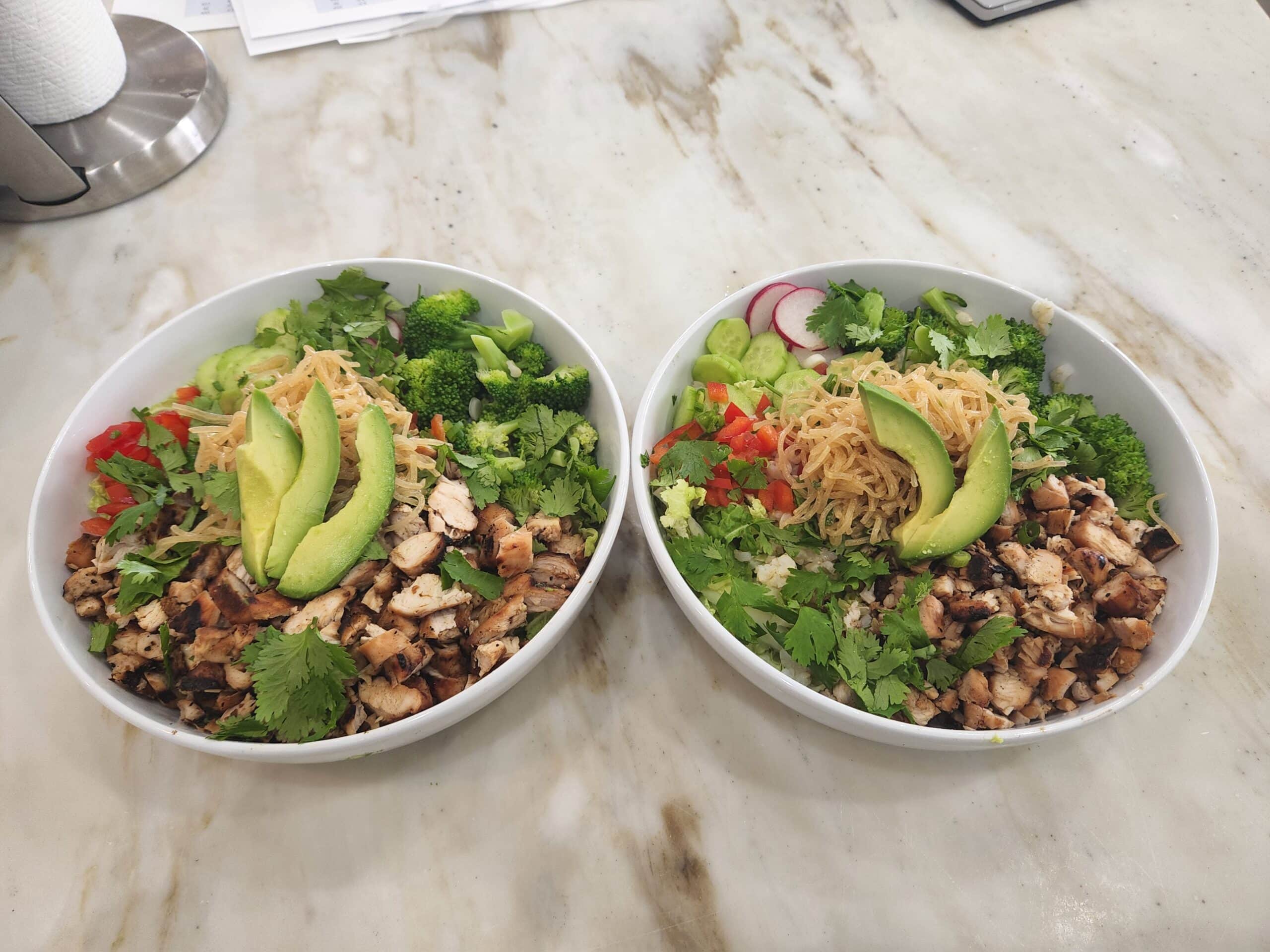

Do you want to learn how to become a personal chef? Are you wondering if it’s possible to make money cooking for others?
Many people think that if you want to cook for a living, you have to work long hours in a restaurant. But that’s not the only path. As a personal chef, you may be able to create customized meals for clients, set your own schedule, and build a flexible business around something you already enjoy doing.
Today, I’m excited to share an interview with Jessica Leibovich from Chef Jessica. She has been a personal chef for many years, and in this interview she talks about what a personal chef does, who hires them, how much personal chefs can make, how to get started with this small business idea, and what someone should know before taking their first client.
In this interview, you’ll learn:
- What a personal chef is
- How much a personal chef can earn
- How to find clients
- What you need to get started
- Whether culinary school is required
- Tips for beginners who want to start this type of business
If you want to turn your love of cooking into a real business, then this interview is for you.
If you’re serious about becoming a personal chef, then you may also want to check out Jessica’s Personal Chef Starter Kit. This training is made for people who want a step-by-step path to launching a real personal chef business. Inside, she teaches how to get clients, set your rates, and start working for yourself, and it includes extra bonuses to help you avoid beginner mistakes. Please click here to learn more about the Personal Chef Starter Kit.
How To Become A Personal Chef And Get Paid To Cook
This interview is for you if you want to learn how to become a personal chef and earn an income.
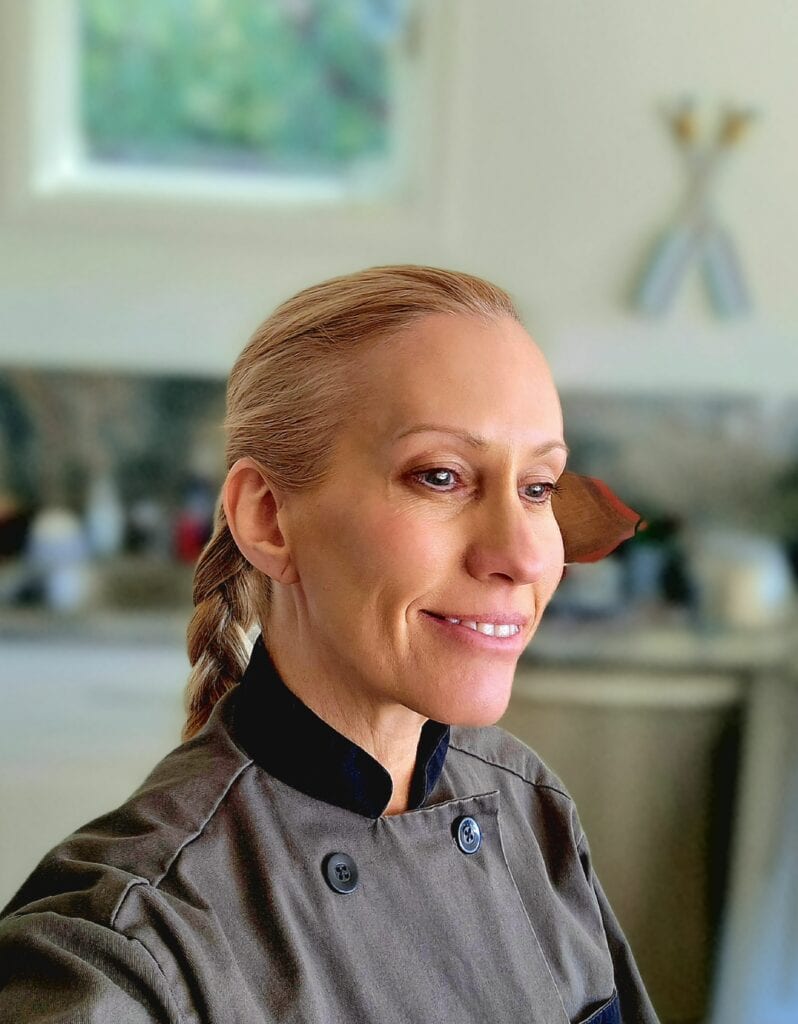
1. Tell us your story! Who are you, and how did you get started as a personal chef?
My name is Jessica Leibovich, and I began working as a personal chef in 1999, so it has been quite a long journey. Before that, I was a chef for a very high-end, well-known catering company, and most of my early career was spent in upscale catering. I earned a Culinary Arts degree from Johnson & Wales University and also studied briefly in France. While that training gave me a strong technical foundation and helped in my catering career, it is not a requirement for becoming a personal chef.
Over time, I began to realize that the catering world was not something I wanted to do forever. I was working extremely long weeks, often around 60 hours, serving very wealthy clients and high-profile events, yet I was not receiving the recognition or compensation that reflected the level of work I was putting in. I was young, capable, and knew there had to be a better long-term path where my skills and effort would translate into something more sustainable.
Someone suggested that I become a personal chef. Once I started looking into it, it immediately made sense. I could see how my background, organization skills, and ability to execute high-end food would transfer perfectly, while also giving me more independence and control over my schedule and income.
Restaurant work never appealed to me. I did not want to cook the same menu every day, and the late nights and high-stress environment were not a fit for the kind of career I envisioned. Personal cheffing offered variety, creativity, and the opportunity to work directly with clients, tailoring food and services to their specific needs.
What began as a career shift turned into a long-term profession that allowed me to build meaningful relationships with clients and create a business that supports my life instead of consuming it.
2. How much do you make as a personal chef? How much can a new personal chef earn? What are the ways a personal chef can make money?
Income as a personal chef can vary widely, and that is actually one of the things I work on with chefs when I coach them. What I can say is that it is good money, especially for the number of hours worked. Most personal chefs work a schedule that is closer to a typical Monday through Friday workweek, similar to a 9-to-5 job, with occasional evenings or weekends if they choose to take on events or special requests.
This is very different from restaurant or catering work, where chefs often work long nights, weekends, and holidays, frequently with significant overtime. Personal chefs generally have much more control over their schedules and can build a business that fits their desired work-life balance.
There are many ways to generate income as a personal chef, not just weekly meal service. Some chefs work with weekly clients, while others have biweekly or even monthly clients. You can also offer dinner parties, small events, private cooking classes, or specialty services for existing clients. Some chefs even sell menu plans or other resources online. There is a lot of flexibility, which allows you to be creative and build multiple income streams.
The most traditional and straightforward model is preparing several meals for a household to eat throughout the week or freeze for later. In many areas, a typical rate is around $500 per cook day plus the cost of groceries, although this can vary based on experience, location, and the level of service provided.
For example, if a chef books five cook days per week at $500 per day, that comes out to about $2,500 per week, or roughly $10,000 per month before taxes. This could be five weekly clients or ten biweekly clients. This structure provides steady, predictable income while still allowing flexibility.
Additional services such as dinner parties, cooking lessons, or small in-home events can supplement income without requiring a full schedule of weekly clients. Many chefs enjoy this variety because it allows them to use their creativity while maintaining a manageable workload.
Overall, personal cheffing offers strong earning potential, flexibility, and a schedule that is far more sustainable than most traditional culinary roles.
3. What is a personal chef? Can you explain what personal chefs do, what services they sell, and who typically hires them?
A personal chef is different from many other types of chefs because the client’s needs come first. Our job is to create meals that are fully customized to each household’s preferences, health needs, and lifestyle. Instead of cooking a fixed menu, we design everything around what the client wants and what works for them.
Many people hire personal chefs because they have specific dietary needs or challenges that make traditional meal options difficult. Some clients have food allergies, medical conditions, or restrictions that make eating out stressful or unsafe. Others have health goals they want to achieve, or families with very different preferences that are hard to satisfy with one meal. For some people, cooking simply feels overwhelming or time consuming, and they want to eat well without the daily effort.
Customization can include anything from avoiding certain ingredients to following a very specific way of eating. For example, a client may want no dairy, low sodium, no garlic, plant based meals, elimination of seed oils, or food tailored to particular health goals. Whatever the request, our role is to make sure they are covered and that the food still tastes good and feels enjoyable.
Some personal chefs choose to specialize in a specific niche, such as plant based or medical diets. In my experience, offering full customization for each client works best because every household is different.
Most personal chefs prepare meals ahead of time so clients have ready to heat food for the week. Typically, we cook in the client’s home one day per week or every other week, stock the refrigerator or freezer with labeled meals, and leave the kitchen clean. This allows clients to enjoy fresh, home cooked food without having to plan, shop, or cook themselves.
The people who hire personal chefs vary widely. Many are busy families, professionals with demanding schedules, seniors who want to eat healthier but no longer want to cook regularly, or individuals who prioritize nutrition and convenience. Some are dual income households, some are singles, and some are families with children who have specific needs.
What they all have in common is that food is a priority. They value quality, health, and the time they gain by not having to manage meals every day. Hiring a personal chef allows them to eat exactly how they want while simplifying their lives.
4. How did you get your very first paying personal chef client?
My very first paying client was decades ago, and that one actually came through my website. At the time, having a professional website helped establish credibility and made it easier for people to find me and understand the services I offered.
Many of my early clients also came from press releases that I sent out to local media. This led to articles being published about my services and, in some cases, coverage in local news outlets. That kind of exposure helped build trust quickly because people were seeing my business presented as a legitimate service in their community.
More than anything, getting clients required putting myself out there and making sure people knew I existed and understood how I could help them. Personal chef services are not always something people think about until they see an example or hear about it from a trusted source.
Community visibility is very important. This can include media coverage, local networking, partnerships with other professionals, or simply being present where your ideal clients are. Social media can be helpful as well, especially for showing examples of your work and building social proof, but it usually works best when combined with real-world visibility and direct outreach.
Today, there are also online lead services that can connect chefs with potential clients, which can be a useful starting point for someone new to the industry.
Overall, the key is making it easy for potential clients to find you, understand what you offer, and see the value of having a personal chef in their lives.
5. Is there room for new people to become a personal chef today?
It is definitely still a viable career. Success as a personal chef depends largely on your location and your ability to solve real problems for your clients. If you live in an area where people can afford your services and you make yourself visible in the community, there are opportunities to build a client base.
Personal chef services are ultimately about helping people. Many households struggle with time constraints, health needs, dietary restrictions, or simply the daily burden of planning and preparing meals. If you can clearly show how your services make their lives easier and better, clients will see the value.
Visibility is key. You need to put yourself in front of the right audience so they know you exist and understand what you offer. This can be done through community involvement, networking, partnerships, media exposure, or other forms of outreach. People cannot hire you if they do not know about you.
Having additional skills, such as experience with catering, dinner parties, or events, can also help fill in slower periods and create additional income streams. Many chefs use these services to supplement their regular client work, especially when they are first starting out or during seasonal fluctuations.
Overall, personal cheffing remains a strong career option for chefs who want more independence and control over their schedules. It can also serve as an excellent transition for those looking to move away from the demands of restaurant or large-scale catering work while still using their culinary skills in a meaningful way.

6. What do you like about being a personal chef?
There are so many things I genuinely love about being a personal chef, and it has been incredibly beneficial to my life and career in ways I did not fully anticipate when I first started.
The schedule is one of the biggest advantages. I am able to work hours that align with a normal weekday routine, which is very rare in the culinary world. I do not have to wake up at extremely early hours, and I can be present for my kids. I can make breakfast for them, take them to school if needed, and I am usually home in time to sit down and have dinner together. I also do not have to work weekends unless I choose to take on a special event. That flexibility and control over my time has allowed me to build a career without sacrificing my family life, which means everything to me.
Beyond the schedule, I truly love the relationships I build with my clients and the impact this work has on their lives. Many people hire a personal chef because they are overwhelmed, dealing with health challenges, or struggling to manage meals for their household. Over time, I often see remarkable transformations. Clients become less stressed, healthier, happier, and more confident about their food choices. Families eat together more consistently, and daily life feels smoother for them. Knowing that my work contributes to that kind of positive change is deeply rewarding.
My extended family lives about 3,000 miles away, so the connections I form with clients become especially meaningful. Because I work in their homes on a regular basis, I get to know them well, and they get to know me. There is a level of trust and familiarity that develops that you simply do not experience in most other chef roles. In many ways, they become like an extended family to me.
I also love the creative freedom. Personal cheffing allows me to design menus, experiment with new dishes, stay current with food trends, and cook a wide variety of cuisine. I often prepare meals that I might not normally make for my own household, so it keeps the work interesting and continually evolving. I am constantly learning, tasting, and growing as a chef.
Overall, this career combines flexibility, creativity, meaningful human connection, and the opportunity to truly improve people’s daily lives. That combination is rare, and it is why I have remained passionate about this work for so many years.
7. What is your typical work schedule? Walk me through a normal day/week as a personal chef.
My schedule depends on how many clients I have that week and what services I am providing, but most workdays follow a similar structure.
On a typical cook day, I leave my house around 8:30 or 9:00 in the morning and start by going to the grocery store to shop for that client’s meals. Shopping usually takes about an hour to an hour and a half, so I am typically finished between 10:00 and 10:30. From there, I head directly to the client’s home.
Once I arrive, I spend the day cooking, preparing, and packaging all of their meals. Everything is done in their kitchen, and meals are usually labeled and organized so they are easy to store and reheat throughout the week. I work steadily through the menu until the job is complete, which is typically around 4:00 p.m., sometimes as late as 4:30.
Before leaving, I make sure the kitchen is spotless. One of the key parts of the service is that clients come home to a clean kitchen and a fully stocked refrigerator, so they can immediately enjoy the benefits without any extra work.
After I get home, there may occasionally be some additional tasks, such as communicating with other clients, planning menus, or researching new dishes. However, most of the hands-on work happens during the day while I am on site.
This process repeats for different clients on different days of the week. Depending on the number of clients and services scheduled, some weeks are busier than others, but overall it follows a predictable routine.
8. What are the startup costs to become a personal chef? What do you actually need to spend money on at the beginning, and what can people skip?
One of the best things about becoming a personal chef is that the startup costs are extremely low. There are not many businesses where you can build toward a strong income without significant upfront investment, but personal cheffing is one of them.
You really do not need much to get started. The most important requirement is having a reliable vehicle, since you will be grocery shopping and traveling to clients’ homes. Beyond that, your overhead is minimal because you are typically cooking in your clients’ kitchens and using their equipment.
That is actually the standard and most convenient way to operate. You go into the client’s home and prepare everything there. It simplifies food safety concerns, eliminates the need for a commercial kitchen, and keeps the service very streamlined.
If a situation arises where you cannot cook in a client’s home, personal cheffing is a service-based business. With the client’s permission, you can cook in your own kitchen and deliver the meals. However, in most cases, cooking in the client’s home is easier and more efficient for everyone involved.
I do not bring cookware or large equipment with me. I use my clients’ pots, pans, appliances, and storage containers. The main items I bring are my knives, a few flexible cutting boards, tongs, labeling tape, and a Sharpie for organizing and labeling meals. That is typically all I need.
Because you are not renting a commercial kitchen or investing in expensive equipment, you avoid many of the startup costs that come with other types of food businesses. At the beginning, it is far more important to focus on professionalism, organization, and communication than on buying extra tools. Your reliability and the quality of your service are what truly establish your business.
9. Do you need any certifications, business or food licenses, or insurance to get started?
Technically, you do not need any specific culinary certifications to run a personal chef business. This usually surprises people. Personal cheffing is a service-based industry, not a retail food business.
That distinction is important. As a personal chef, you are providing a private service directly to a client in their home. You are not operating a restaurant, you are not catering public events open to anyone, and you are not selling packaged food to the general public. This is where many people get confused. They mistakenly compare personal chefs to caterers or restaurateurs, but the business model is very different.
Because of that, you typically do not need a food license in the same way a restaurant or catering company would. That said, it is always wise to check your specific state and local regulations to confirm what is required where you live.
I do strongly recommend carrying small business liability insurance. It is very affordable, often around $20 to $40 per month, and it provides peace of mind and protection. It is a simple step that makes you more professional and protects you if something unexpected happens.
You will also need to establish your business legally. This can be done as a sole proprietor, an LLC, or an S-corp, depending on your state, your income goals, and how you want to structure liability and taxes. I always recommend speaking with a CPA to determine what is best for your situation. A good CPA is invaluable. Mine has been with me for nearly three decades and has saved me significant money and stress over the years.
Overall, the administrative requirements are much simpler than many people assume. With the right structure and basic protection in place, you can operate professionally without excessive red tape.
10. Can anyone become a personal chef, or do you need culinary school? What training, certifications, and real-world skills are actually needed to get started?
You do not need a culinary school education to become a personal chef. I did attend culinary school and earned a degree in Culinary Arts, and I also studied in France. That training gave me a strong technical foundation and discipline. However, over the years I have met many successful personal chefs who have no culinary degree and no formal professional kitchen experience at all.
What I have found, especially through coaching chefs to start and sustain their businesses, is something interesting. Sometimes people who come from a traditional restaurant background actually have a harder time transitioning into personal cheffing than those with no formal experience. It is a completely different environment and mindset.
As a personal chef, your work is centered around customization. You are not cooking your food your way. You are cooking the client’s food their way. You still get to be creative, and I absolutely love creating dishes and trying new ideas, but everything is built around the client’s specific requirements.
Over the years I have had clients who did not allow salt in their food, clients who had major medical conditions and could not consume fat, and others who followed strict diets such as carnivore and wanted no carbohydrates. None of those approaches reflect how I would personally cook for myself or how I would design a restaurant menu. But that is not the point. The point is delivering exactly what the client needs.
Personal cheffing is a high-level concierge service. It is about making the client feel cared for, understood, and supported. It requires flexibility, humility, strong listening skills, and the ability to set aside your own preferences. In a restaurant kitchen, the chef often sets the tone and the menu. In personal cheffing, the client does.
Because of that, culinary school is not required. Technical skills are helpful, but what truly matters are organization, reliability, food safety awareness, adaptability, and a service-oriented mindset. In some cases, people without professional kitchen habits adapt more easily because they do not have to unlearn a restaurant-centered way of thinking.
So while formal training can be valuable, it is absolutely not necessary. Success in this field comes down to your ability to serve, customize, communicate, and consistently deliver.
11. How do you price your services? What’s included in your pricing (shopping, prep, travel, cleanup, etc.), and what pricing mistakes do beginners make?
Pricing is a very important subject. In fact, it is so important that I have created entire courses around it, because many personal chefs struggle with pricing correctly.
One of the biggest mistakes I see is chefs pricing themselves in a way that only pays them for the single day they cook. They show up, cook, receive a check, and that is the end of the agreement until the next visit. To me, that creates zero job security. It leaves the chef vulnerable to last minute cancellations and inconsistent income. If a client decides to pause or cancel unexpectedly, the chef absorbs all of that risk.
When I price my services, I price for security. I structure my agreements in a way that protects my time and ensures more stability. There are different ways to do this, and there is flexibility in how it can be set up, but the key principle is that pricing should support long term sustainability, not just one isolated cook day.
Another major issue is confidence. Many chefs undervalue themselves. They feel uncomfortable charging appropriately for their work. This is especially common among chefs who come from traditional restaurant or catering backgrounds, where they were paid hourly or salaried and never directly responsible for setting their own rates. Suddenly asking for significant payment from a client can feel unfamiliar or uncomfortable.
Knowing your value is important. Personal cheffing is a premium, highly customized service. You are saving clients time, reducing stress, improving their health, and providing convenience at a high level. That has real value.
If you do not price with confidence and structure your services in a way that protects you, it becomes very difficult to build a stable business. Pricing should reflect not just the hours spent cooking, but the planning, shopping, communication, expertise, and the overall transformation you provide.
12. How do you find clients as a personal chef?
This is a big question. I actually have an entire course dedicated to this process because there are multiple layers involved in starting and building a successful personal chef business. It is not just about cooking. That said, I can share a few foundational steps that make the biggest difference.
First, get very clear on who you want to serve. This is more important than most people realize. While you may eventually work with a variety of clients, having a defined focus helps you shape your messaging, pricing, and visibility. When you know exactly who you are targeting, it becomes much easier to communicate how you can help them.
For example, if you want to work with professional athletes, your approach, partnerships, and marketing will look very different than if you want to serve seniors or busy families. Clarity allows you to be intentional about where you show up and how you position yourself.
Second, create a realistic transition plan. It usually takes a few months to build a steady roster of clients. This is not typically an overnight process. You need to allow time for marketing, networking, consultations, and onboarding your first few clients. Having a financial cushion or a flexible income source during this phase can reduce pressure and allow you to grow strategically.
If necessary, you can supplement your income while building your client base. Some chefs take on gig work, part-time jobs, or catering events during the transition. The goal is to give yourself space to focus on growth rather than operating from financial stress.
Third, focus on visibility and relationship building. Once you know who you want to serve, consistently put yourself in environments where those people or their networks spend time. Personal cheffing is built on trust and reputation.
There are many additional components, including pricing structure, service agreements, workflow systems, and long-term strategy. Because of how detailed the process can be, I have created structured resources and coaching for chefs who want step-by-step guidance. But at the core, clarity, planning, and consistent visibility are what move the needle in the beginning.
13. Can you tell me more about the resources you sell? What will a person learn from them?
Over the years, I have built an entire library of resources designed to help chefs start and grow successful personal chef businesses. These are all available on my website under what I call the Prosperous Personal Chef Success Suite.
For someone who is just getting started, I offer a Starter Kit, which is a five-video series priced at $99. It is designed to help chefs jumpstart their business and understand the fundamentals without feeling overwhelmed. It covers the early steps that many people struggle with when they first transition into personal cheffing.
For those who want a more comprehensive roadmap, I have a complete 10-module course that walks through everything needed to build and sustain a successful personal chef business. It goes far beyond cooking and addresses the practical realities of the industry, including positioning, client relationships, workflow systems, and long-term strategy. It is structured to guide chefs through both the startup phase and the ongoing growth phase.
I also offer a dedicated Offer and Visibility Masterclass, which focuses specifically on how to design compelling services and become visible to the right clients. Many chefs are talented in the kitchen but struggle with marketing and positioning, so this helps bridge that gap.
In addition, I have a Pricing Masterclass that teaches chefs how to price their services for long-term stability rather than short-term survival. Pricing is one of the most common areas where chefs undermine their own success, so I place a strong emphasis on helping them build confidence and structure around it.
For those who are just exploring the idea, I also have a free guide on how to attract VIP clients. It gives practical insight into how to position yourself at a higher level in the market.
All of these resources are based on nearly three decades of experience as a personal chef. I have tried to share not just the highlights, but also the lessons learned, the mistakes to avoid, and the realities that you would not necessarily understand unless you have worked in this niche for years. My goal is to shorten the learning curve for chefs who want to build something sustainable.
14. What advice would you give to someone who is nervous about becoming a personal chef but really wants to try?
One of the great things about becoming a personal chef is that you do not have to go all in immediately. You can start with as much or as little effort as you feel comfortable with. If you have a full-time job, you can begin by taking on one client on the weekend and see how you like it. You do not have to quit your job or make a dramatic leap before you are ready.
You could even start by cooking for a neighbor or a family member as a trial run. That gives you real-world experience without major pressure. Personal cheffing is very different from other chef roles, and the only way to truly understand it is to try it.
Before I became a personal chef, I assumed it would be easy because I had experience cooking for hundreds and even thousands of people at large events. I thought cooking for one household would be simple by comparison. What I underestimated was the responsibility. When you are cooking for a family’s weekly meals, their health, preferences, and daily routine depend on you. It requires organization, attention to detail, and consistency.
That is why I recommend starting gradually. Give yourself time to learn the flow of shopping, planning, packaging, and communicating with clients. Treat it as a business from the beginning, even if you are only working with one person.
At the same time, it truly is a labor of love. If you are passionate about helping people, enjoy cooking, and feel comfortable working inside someone’s home, this can be an incredibly fulfilling career. It allows you to combine creativity with service and build meaningful relationships.
If you are curious, start small and see how it feels. You might learn that it is exactly the path you have been looking for.
If you love cooking, would you ever want to turn it into a business like this?
Recommended reading:
Leave a Reply