



If you had told me over a decade ago that starting a blog would completely change my life, I probably would have laughed.
Back in 2011, I was working as a financial analyst in a stressful job. I was commuting to work, spending my days in a small windowless office, and dreaming of more freedom. I had student loans to pay off, no business experience, and no idea how to run a website. But I did really enjoy reading about personal finance, and I wanted to talk about the money choices I was making – like paying off $38,000 in student loan debt.
So, I started a blog – this blog – Making Sense of Cents – and I began writing about budgeting, side hustles, and saving money. I had no plan to turn it into a business, but I kept writing, learning, and connecting with readers. And slowly, things started to grow.
Today, that little blog has turned into a multimillion-dollar online business. I’ve worked from an RV, a sailboat, a cruise around the world, from the most beautiful beaches, and more. Most importantly, I get to spend more time with my family and design a life that fits what matters most to me.
If you’ve ever dreamed of working from home, being your own boss, or creating something that’s actually yours – blogging might be the path that gets you there.
In this article, I want to share:
- How I got started
- Why I think blogging is still a smart idea right now
- The exact steps you can take to start your own blog
- How to grow your audience and make money from it
Also, you can learn how to start a blog in my free How To Start A Blog Course. In this free course, I show you how to create a blog, and over 80,000 people have taken it!
Why I started my blog
Like many people, I started my blog as a side hobby. I didn’t know what I was doing, but I enjoyed reading blogs. At the time, I was working full-time in finance, and while I was good at my job, I didn’t feel fulfilled by it. I wanted more freedom, more creativity, and more control over my time.
I also had a major financial goal: to stop living paycheck to paycheck and pay off my debt. I was reading tons of personal finance blogs at the time and thought, “Why not start my own?”
I didn’t know how to code. I had never taken a writing class (well, outside of high school classes that I never took seriously). But I signed up for a blog and published my first blog post. That first post wasn’t fancy, and I didn’t have any readers. And, I had no idea what I was doing. But I kept writing.
Over time, I found my voice. I learned about affiliate marketing, how to grow my pageviews, and how to connect with readers. I started earning a few hundred dollars a month, which grew into thousands and eventually much more.
What made the biggest difference was consistency. I showed up, even when my blog was small. I shared what I was learning and stayed focused on helping others. If you’re thinking of starting a blog, you don’t need to have it all figured out.
You just need to start.
Why you should start a blog too
There are so many reasons to start a blog, even if you think the market is saturated. I think blogging is still great these days because:
- People still read blogs every day. Think about how many times you Google something and land on a blog post.
- Blogs build trust and authority. If you want to grow a business, attract clients, or share your ideas, a blog can help you do that.
- It’s low-cost and beginner-friendly. Starting a blog costs less than a dinner out these days and doesn’t require a degree.
- You can make money in multiple ways. Unlike a job where your income is fixed, blogging allows you to earn from different streams (more on that below).
Plus, blogging is flexible. You can blog on your lunch break, after the kids go to bed, or on the weekends. I know many bloggers who started with just a few hours a week and now make full-time incomes.
And even if you never want to turn your blog into a business, it can still be worth it. A blog gives you a place to be creative, build a community, and share what matters most to you.
Recommended reading: The 25 Most-Asked Blogging Questions To Get You Started Today

What blogging has done for my life
Blogging didn’t just change my career – it changed my entire life.
When I first started, I never imagined it would turn into a full-time income, let alone a business that would allow me to travel the world, work from anywhere, and have total control over my time. I’ve earned millions of dollars online through my blog, but honestly, the nonfinancial rewards have meant just as much to me.
Blogging gave me the freedom to work on my own schedule. I’ve made money blogging while sailing the Caribbean, hiking in Alaska, and spending mornings with my daughter. I no longer have to choose between work and family, and I can build my business around the life I actually want to live.
It’s also brought me confidence, creativity, and community. I’ve met so many amazing people through blogging – readers, other bloggers, business owners, and brands I never dreamed of working with. I’ve grown in ways I never expected, all because I decided to start a blog.
And that’s why I share so much about blogging – not because I think everyone has to blog, but because I know what’s possible when you do.
How To Start a Blog Today
Here are the steps I recommend if you want to start a blog.
1. Choose your blog topic
Start by thinking about what you love to talk about. What could you write about every week for a year? What do friends come to you for advice on?
You don’t need to be an expert. You just need to be interested in your topic and willing to help others.
Some blog topic ideas include:
- Personal finance
- Motherhood or parenting
- Travel or RV life
- Health and wellness
- Crafts or DIY
- Food and recipes
- Career advice
- Sustainability
If you’re stuck, read my post on How To Decide What To Blog About.
2. Pick a blog name and domain
Choosing your blog name is a fun part of the process, but I know it can also feel a little overwhelming and like a big decision.
After all, this is the name that people will associate with your content, your story, and your brand. But here’s the truth: You don’t need the “perfect” name to start. What matters most is that you start.
Here are a few tips to make this step easier:
- Keep it simple and easy to spell. Avoid confusing words, hard-to-pronounce combos, or long phrases that are hard to type. If you have to explain it every time, it’s probably too complicated.
- Make it memorable. A catchy name that sticks in people’s minds will go a long way in helping your blog stand out.
- Use your own name (if you want to). If you’re building a personal brand or are unsure what niche to focus on yet, using your own name gives you flexibility on your blog topic.
- Check availability. Before you fall in love with a name, check that the domain (the “.com”) is available. You can do this easily when signing up for hosting through Bluehost. It’s also smart to check Instagram and other social platforms to see if the accounts are available, too. Also, I do want to say that it’s completely normal for your ideas to be taken, you just have to think a little harder, use a thesaurus, or even ask ChatGPT for more ideas that sound similar to what you’re looking for.
Pro tip: Once you’ve chosen your blog name, go ahead and sign up for the matching Instagram and Pinterest handles if they’re available. Even if you don’t plan to use them right away, it’s smart to lock them in!
3. Set up hosting and install WordPress
Setting up your hosting and installing WordPress might sound technical, but it’s actually one of the easiest parts.
Hosting is what makes your blog visible on the internet. Think of it like renting space online. Your blog’s text, images, and content all live on your host’s server, and when someone types in your domain name, your host delivers your content to their screen.
I personally use and recommend Bluehost because:
- It’s affordable (you can get started for just a few dollars a month).
- It comes with a free domain name for your first year.
- They have 24/7 support if you need help.
Here’s a quick overview of what the setup looks like:
- Go to Bluehost and click “Get Started”.
- Choose your hosting plan – I recommend the cheapest plan if you’re just starting out.
- Pick your free domain name (or connect one you already own).
- Bluehost will automatically install WordPress for you!
Once that’s done, you can log into your WordPress dashboard – this is where you’ll write your blog posts, upload photos, and manage everything.
The next thing you might be thinking about is how to make your blog look good. Thankfully, you don’t need to be a designer to have a nice, professional-looking blog.
Here are a few great design options to look at:
- DIY Dream Site: These are premade site designs that are easy to use, even if you’re not tech-savvy. I actually worked with this same designer for my own custom blog design, and I can personally vouch for how talented and detail-oriented she is. Her premade themes are affordable, professional, and perfect if you want a great-looking blog without spending a ton of money or hours figuring it all out. This is one of the easiest ways to get your blog live, and I recommend it if you have it in your budget.
- Restored 316: These are some of my favorite WordPress themes as well. They’re clean and made specifically for bloggers.
- Start simple: You can also choose one of WordPress’s free themes to begin with. Don’t stress too much about design in the beginning because you can always update your look later.
Your focus right now should be getting your blog live and ready for your first post. You can always refine and rebrand as you grow!
Don’t worry if it feels overwhelming and scary at first. Everyone starts out feeling like a beginner, and you’ll learn as you go. You don’t need to have your entire site finished today; you just need to take this first step.
For a detailed tutorial (with screenshots!), check out my full post: How To Start A WordPress Blog.
4. Start writing!
You don’t need to publish every day. Start with a few helpful blog posts related to your topic and answer common questions your future readers might have.
Some easy first blog post ideas:
- Your personal story: Share who you are, what brought you to blogging, and what readers can expect from your blog.
- Why you started your blog: Talk about your goals – whether it’s to earn money with your site, help others, or document a journey.
- 5 or 10 tips for something in your niche: For example, “10 Ways to Save Money on Groceries,” “5 Easy Toddler Lunches for Daycare,” or “10 Small Habits That Have Made My Life Better.”
- A beginner’s guide: Teach something simple, like “Budgeting 101” or “How to Plan Your First RV Trip.”
- Mistakes you’ve made: A post like “5 Mistakes I Made in My 20s” or “What I Wish I Knew Before I Started Freelancing” can be both relatable and helpful.
- A challenge or goal: Write about something you’re working on, like “My No-Spend Month Challenge” or “My Plan to Pay Off $10,000 in Debt.”
- Answer a common question: Think about what people often ask you and then turn your answer into a helpful post.
I always recommend that you aim to be helpful because the more value you give, the more your blog will grow.
5. Find ways to grow your blog
Once you’ve started writing, your next goal is to bring readers to your blog. Writing is just one part of blogging – growing your audience is what helps you turn your blog into something bigger.
Here are strategies I would absolutely use if I were starting over today:
- Focus on evergreen, high-value content – Evergreen content is content that stays relevant over time. These posts continue to bring in readers long after they’re published. Think posts like “How To Create a Simple Morning Routine That Sticks,” “Ways To Make Extra Money,” or “Tips for Traveling With a Toddler.” Content that is very specific, such as an event that happens in March 2026, is harder because once the date has passed, people won’t read it ever again. Of course, content like this still works, but it is something to think about so that you can keep getting pageviews to your blog posts for years to come.
- Build an email list from day one – Your email list is very helpful and a must-have. These are your most loyal readers – the ones who want to hear from you directly. Create a freebie (like a checklist or guide) to encourage people to sign up, and send regular, helpful emails. Unlike social media, you own your list and can always reach your audience.
- Use Pinterest to drive traffic – Pinterest works like a search engine, and it’s one of the best free traffic sources for new bloggers. You’ll want to create eye-catching vertical pins for each blog post, write keyword-rich descriptions, and link back to your content. Over time, Pinterest can become a major source of daily traffic.
- Use Facebook – Sharing your blog posts on Facebook is a great way to grow a blog. It’s also where I plan on focusing a lot of my time this year. You can learn more about this at How I Got Paid $39,177 Directly From Facebook in One Month Just To Post Content.
- Write consistently – Whether you post once a week or a few times a month, consistency is important. Google and your readers both want to know you’re reliable. A steady posting schedule helps you build momentum, keeps you accountable, and builds trust with your audience.
- Network with other bloggers – One of the best ways to grow is by connecting with others in the blogging world. Comment on other blogs, join Facebook groups, and collaborate when you can. You’ll learn so much and find opportunities to grow through guest posts, partnerships, and shared audiences.
These growth strategies have helped me over the years!

How To Make Money Blogging
Blogging can absolutely be a business, and it doesn’t have to feel salesy. Here are the main ways I’ve made money over the years:
1. Affiliate marketing
Affiliate marketing is one of my favorite ways to make money blogging, and it’s actually how I made my very first blog income. It’s also one of the most beginner-friendly monetization methods because you don’t need to create your own product or manage inventory.
Here’s how it works: You recommend a product or service you love, and when someone clicks your special tracking link and makes a purchase, you earn a commission. It’s as simple as that. What’s important is that you only promote things you truly believe in and that are a natural fit for your audience.
Some examples of affiliate products you might promote include (below are affiliate links or blog posts that contain affiliate links so that you can see examples):
- Activities to keep a child busy on an airplane
- A financial app you personally use
- A favorite course, book, or software tool in your niche
Affiliate income can be semi-passive, too. Once your blog post or review is published and ranks on Google or gets shared on Pinterest, it can keep earning you income for months or even years without needing to be updated constantly.
My top tips for success with affiliate marketing:
- Be honest. Share your real experience with the product and how it helped you.
- Write helpful, in-depth content. For example, tutorials, reviews, comparison posts, and roundups work great.
- Use clear calls to action. Tell your readers where to click and what they’ll get. For example: “Click here to sign up for _____.”
- Don’t rely on just one affiliate product to promote. Over time, build up a mix of products across different posts.
Want to learn exactly how I earn affiliate income through my blog? I teach it all in my course: Making Sense of Affiliate Marketing
2. Sponsored content
Sponsored content is when a company pays you to feature their product or service on your blog, in your newsletter, or on your social media. It’s a great way to monetize your audience once you’ve built up some traffic and trust.
These partnerships can look like:
- A blog post reviewing or showcasing the product
- A tutorial that features the brand naturally
- A mention in your email newsletter or a roundup post
I’ve had the opportunity to work with many brands over the years. And, you don’t have to be a huge blogger to get sponsored deals. Many brands work with smaller blogs because they have interested readers.
Tips for getting started with sponsored content:
- Start by writing about products you already use. Build up a few example posts.
- Tag and mention brands you love on social media and in your blog posts.
- Pitch directly! Reach out with a short email explaining who you are, what your blog is about, your audience stats, and how you’d feature them.
- Always disclose sponsored content to your audience.
As your blog grows, sponsored content can become a significant part of your income, and it works well alongside affiliate marketing, too.
You can learn more about my sponsored partnership strategy in my course Making Sense of Sponsored Posts.
3. Display ads
Display ads are one of the most passive ways to earn money from your blog. Once your site starts getting consistent traffic, you can apply to premium ad networks like Raptive or Mediavine, and they’ll handle the ad placements for you.
These networks pay you based on pageviews, so the more traffic you get, the more you can earn. You don’t have to sell anything, write additional posts, or pitch brands. You just earn income from readers visiting your site.
Here are a few tips to make the most of display ads:
- Focus on growing your traffic first (especially from Google, Facebook, and Pinterest).
- Write long-form, helpful content that keeps readers on your page longer.
- Don’t overload your site with too many ads – it should still feel easy to read and navigate. Too many ads can be annoying to a reader (after all, think about the last time you were on a site with a lot of ads – you probably closed out of the browser fast).
The display ad network I use is Raptive, and you can apply once you get 25,000 monthly pageviews.
4. Digital products
Selling your own digital products is a great way to grow your blog income and keep full control over your business. Unlike affiliate links, you get to keep most of the profit.
Examples of digital products include:
- eBooks or guides
- Printables (like planners or checklists) – I recommend reading How I Made $6,161 in Just 4 Months With a New Etsy Printables Shop to learn more.
- Online courses or workshops
- Membership communities or paid newsletters
- Print on demand items, like candles, T-shirts, and more
I sell digital products, and my first was a course on affiliate marketing – it’s become one of my most reliable income streams.
Tips for getting started:
- Pay attention to what your audience is asking for. What problems do they have? What are they trying to learn?
- Start small. You don’t need a huge course to begin – a short guide or helpful printable is great.
- Promote your product on your blog, Pinterest, and email list.
Digital products take some time to create, but once they’re live, they can earn income around the clock.
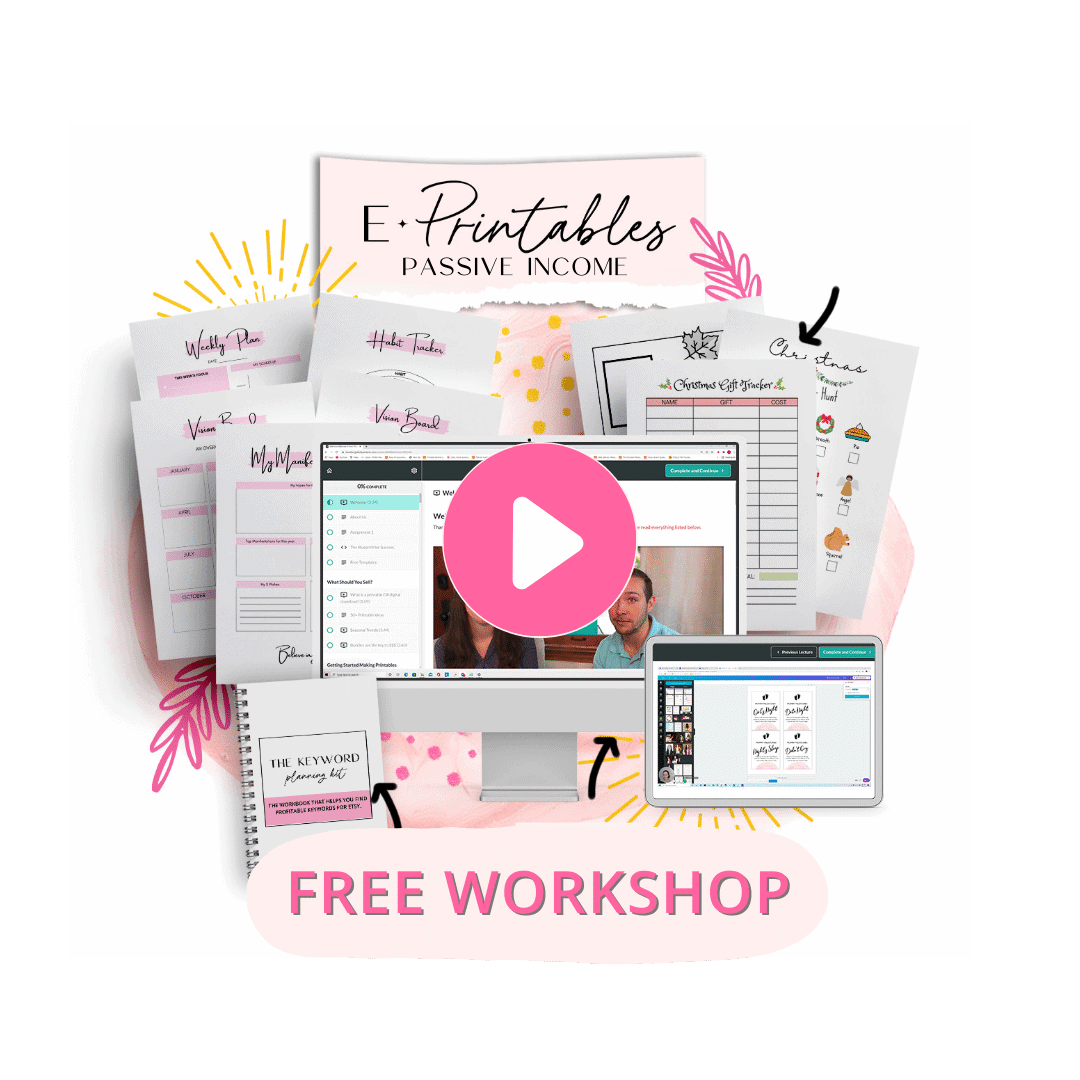
Do you want to make money selling printables online? This free training will give you great ideas on what you can sell, how to get started, the costs, and how to make sales.
Frequently Asked Questions
Below are answers to common questions about starting a blog and making money.
How much does it cost to start a blog?
You can start a blog for under $100 in your first year for hosting and your domain name. After that, your costs can stay low unless you choose to invest in design, email marketing tools, or courses.
Do I need to be a good writer to blog?
Not at all. Blogging is about connecting with your audience, not writing a novel. Many successful bloggers are simply clear, honest, and helpful in their writing. I definitely did not think I was a good writer when I started my blog, and it was not a strong skill of mine when I was younger. But, look where I am today!
Can I start a blog even if I work full-time or have kids?
Yes! You can blog during nap time, in the evenings, or on weekends. I know many people who started their blogs with just a few hours a week.
How long does it take to make money from blogging?
It depends, and this is a hard question to answer, although I know that most people are wondering about this! Some people make money in their first few months, while others take a year or more. The answer depends on a lot of things, like consistency, quality content, and traffic.
Can you make $1,000 a month with a blog?
Yes, you can make $1,000 a month with a blog. Many bloggers earn $1,000 a month (or much more) from their blogs. That income might come from affiliate marketing, display ads, sponsored content, or digital products. It usually doesn’t happen overnight because it takes time to build up your content and traffic, but with consistency and smart strategies, it’s a real goal. In fact, I know bloggers who reached that level within their first year.
Is blogging still worth it?
Yes, people are reading blogs every day, and blogging remains one of the most flexible, scalable ways to build an online business or brand. I love reading blogs, and it’s still one of my favorite hobbies.
I Started a Blog, Built a Life I Love, and Here’s How You Can Too – Summary
I hope you enjoyed my article on how I started a blog and built a life I love, and how you can too!
Starting a blog was the best decision I ever made. It helped me pay off debt, leave a job I didn’t love, and build a business that fits around my life.
If you’re even a little curious about blogging, I encourage you to take the first step. You don’t need to know everything. You just need to begin.
Ready to get started? Follow my free step-by-step tutorial: How To Start A WordPress Blog On Bluehost.
You can also join my Free How To Start A Blog Course, where I walk you through it all: Free Blogging Course.
Please leave a comment or send me an email if you have any questions.
Thanks!
— Michelle
Are you interested in working from home and making money blogging? What would you blog about?
Recommended reading:
Leave a Reply